Friday, 4 September 2015

4 Social Media Reports That Will Boost Your Audience Engagement

In the early days of social media marketing, the number one goal for businesses was to amass huge followings, and for good reason. It was a time when there was no limit to organic post reach, and the companies with the largest social audiences benefited the most with totally free advertising.

Unfortunately for those early adopters, the networks have matured, the business models have grown and nowadays brands are lucky if even a fraction of their social following see their posts. That’s why marketers need to completely rethink the way they approach social as an organic channel.

Where before social marketing was all about building a giant audience, today social marketing is about providing quality, relevant content to your audience so that you can engage with them as individuals and attract them as a customer. But in order to really provide your social audience with engaging content, you need to figure out who they are. This can be done with some of the reports available online.

This post will cover how to use data to find your perfect social audience, and how to look at reports on past performance to find out which content resonates with your audience.

1. Demographics Reports

Who are the people that are interacting with you on social media? There’s a chance that you or your community managers can name some of the top influencers within your social following, but who is your average reader? One way to get a tremendous increase in social engagement is to answer this question, and create content that resonates with those individuals. Here are some of the reports available to you that can be used to figure out just who your average social engager is.

Facebook Page Insights

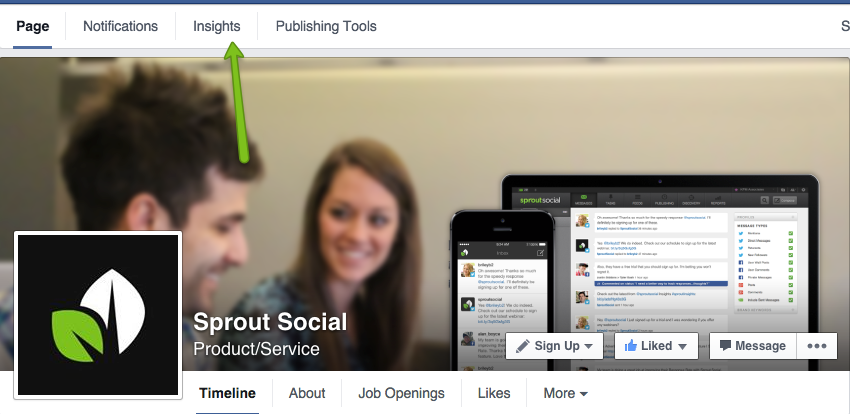
Let’s start with Facebook. Facebook has a plethora of information on your fans and followers. One way to access that information is through the Facebook Insights tab found on your brand’s homepage.

facebook-insights

If this is your first time using this tool, take a look around at some of the great data at hand. Otherwise, navigate over to the People tab to start pulling data on your fans and followers.

facebook-people-tab

The above screenshot is looking more specifically at the People Engaged section. It’s better to look at People Engaged since this shows the demographics of the people who are more inclined to actually engage with your social posts.

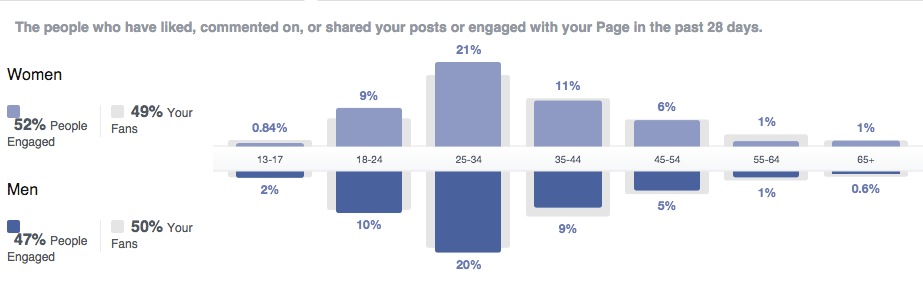
The first data you’ll see breaks down the various ages and genders of the people who are engaging with your Facebook posts. For example, the graph below shows that of all the people interacting with Sprout Social, 21% are women ages 25-34.

people-engaged-facebook

Various age groups and genders are likely to interact with content differently. That’s why it’s a key advantage to figure out your main audience and create posts catered to their interests.

Twitter’s Analytics Tool

Similar to Facebook, Twitter offers audience insights within its analytics dashboard. After you access your analytics page, navigate to the tab addressing your Followers.

twitter-audience-insights-followers

Assuming you have enough followers, this tab has information on their gender, income, education and more, which will help you create content on Twitter that this audience is more likely to interact with. However, the tab doesn’t include age data. One option is to use Sprout’s Twitter Analytics.

Followerwonk

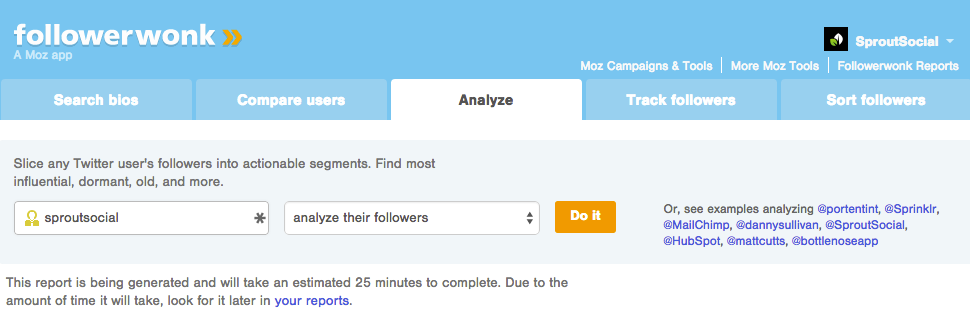
Followerwonk is a Twitter tool created by the software company Moz. If you have access to the tool, choose the Analyze tab from your dashboard.

followerwonk-analyze-their-followers

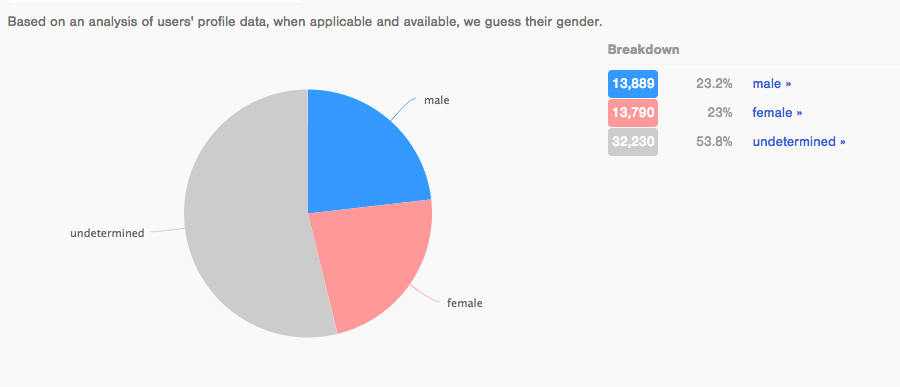
From here you can enter any Twitter handle and scan their followers. The data provided is similar to Twitter’s, but the one we’re most interested in for creating demographic-driven content is the gender section.

followerwonk-analyze-data

Google Analytics

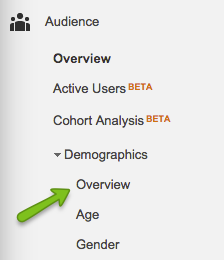
Most of the networks don’t provide as robust data as Facebook and Twitter, but never fear: Google always has your back. Access your account and navigate to Audience > Demographics > Overview.

google-analytics-demographics-overview

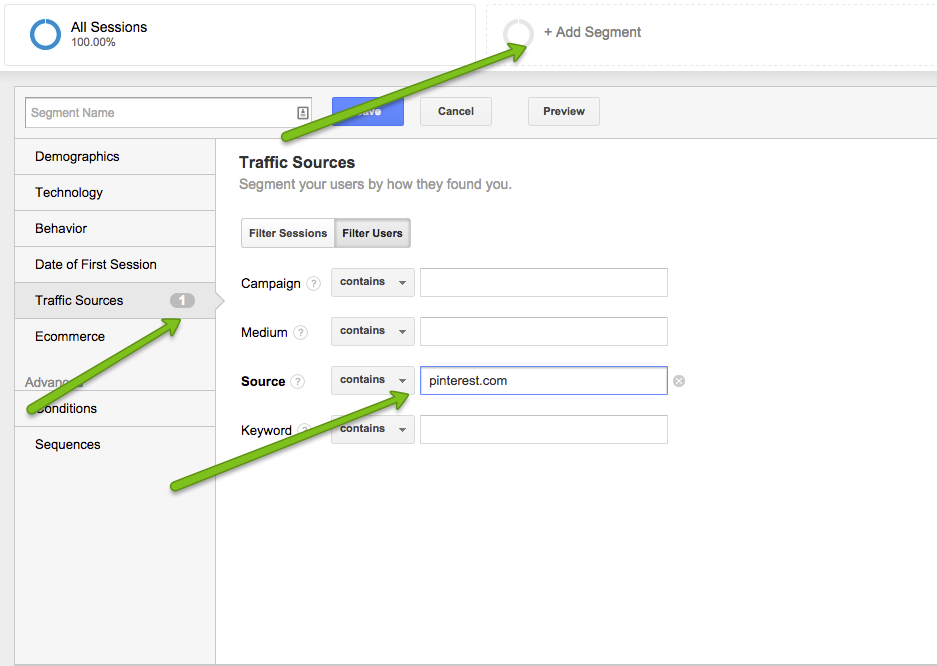
After that, you need to +Add Segment, that looks at the Traffic Sources you’re interested in finding demographics for, like Pinterest.

add-segment-traffic-sources-google-analytics

2. Location and Language Reports

Location-based geo–targeting is a very powerful tool for social media marketers. It’s possible for you to pull reports to find some of your most engaged cities, states or countries, and then write and distribute topical content to those locations for better response. For instance, creating a post for a specific city could call out the hometown sports team.

Facebook Page Insights

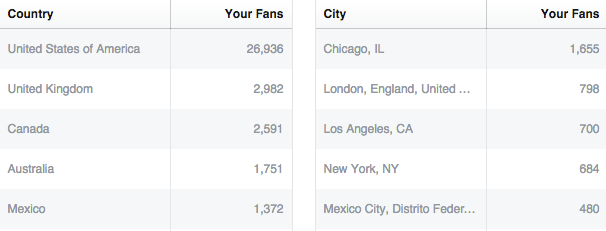
Back on the Facebook Page Insights report, just a little below the age and gender information, you’ll find data on where the people engaged with your page are located.

facebook-page-insights-screenshot

So the company in the example above could see some increased engagement if they targeted a post to their Chicago audience that called out The Cubs (or the White Sox if that’s what you’re into…).

Twitter’s Analytics Tool

You’ll find location information when you access your Twitter Analytics the same way as in the previous report, but this time you’ll need to navigate over to the second tab.

twitter-analytics-demographics

In the right column you’ll find information provided by Twitter on both the country and region your followers are in.

Followerwonk

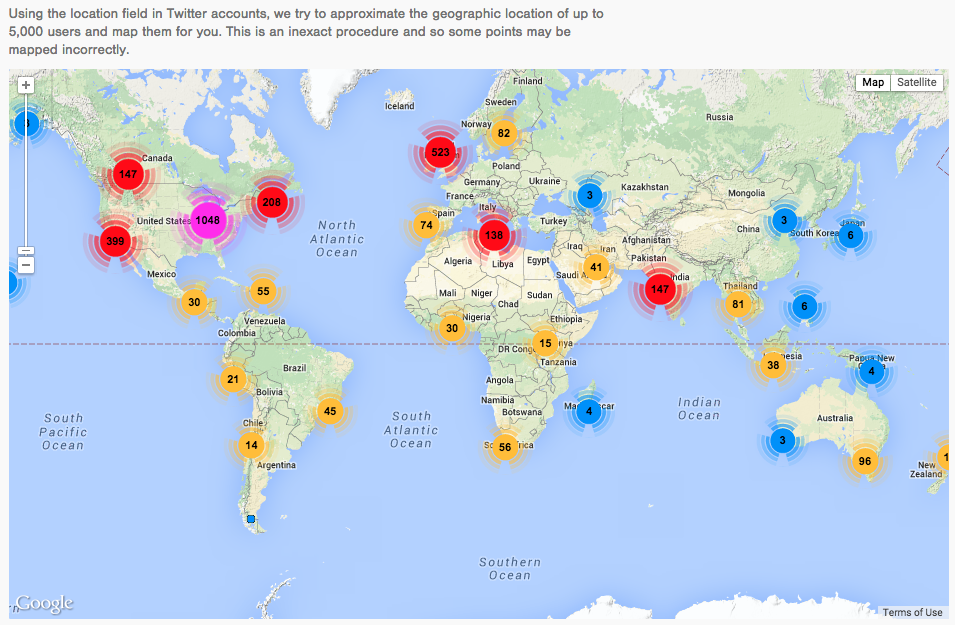
Followerwonk preserves your reports for 60 days, so you should be able to find the same presentation you used when looking at the Demographics report. Followerwonk actually puts your followers’ location data in an interactive map.

followerwonk-demographics

Google Analytics

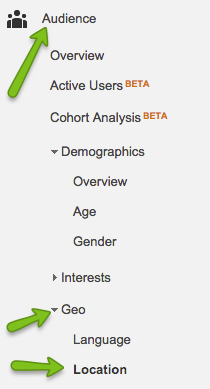
Similar to the Demographics Reports, if you can’t find location data for the other networks look to Google Analytics. Access your account and navigate through Audience > Geo > Location.

audience-location-google-analytics

After you create the custom segment looking at the social source, Google provides data on users by country, city, continent and subcontinent.

3. Sent Message Reports

Now that we know who our audience is, it’s a good idea to think about the content that they like. One way to do that is to look at your past social media performance to see which of your posts received good engagement, then use that information to dictate your strategy moving forward. A few of the platforms that we’ve mentioned so far have the ability to analyze old posts for performance, but I want to focus on two that do a great job.

Followerwonk

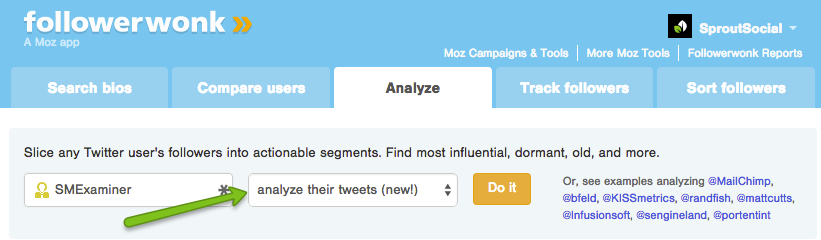
Just like with the other reports, you’ll need to navigate to the Analyze tab of your dashboard. The difference this time is that instead of choosing to “analyze their followers’ you want to choose ‘analyze their tweets’.

followerwonk-analyze-tab

Followerwonk uses Retweets as the main metric for deciding what makes the most important Tweet. In the example above I chose to look at Social Media Examiner. Followerwonk shows that this is their most important Tweet over the time period.

Social Media Examiner can look at this and decide that if they create more fun content that resonates with social media managers, they’ll see more engagement.

Sprout Social

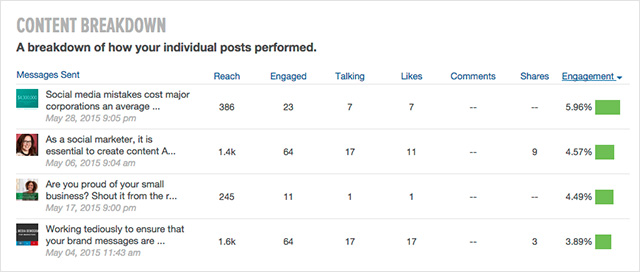
Sprout Social is a social media management platform that also gives you analytics on your past social media performance.

sprout-social-content-breakdown

Sprout has a number of key performance indicators (KPIs) that you can look at to find out which of your pieces of content perform well. You can then study those posts so that they can inform your content strategy moving forward.

4. Day and Hour Reports

Once you’ve figured out who to target and what to post, the next question on your mind should be “when to post.” And you wouldn’t be the only one, either. This Google Trends graph shows just how fascinated people are with finding the perfect time for posting.

google-trends-when-to-post-search-graph

However, the best time to post for one brand may not be the best time for another. That’s why you should look at these reports to find your unique perfect post time.

Facebook Page Insights

Access your Facebook Page Insights again, and go to the Posts tab. This is where you’ll find additional information on your fans, such as when they’re online.

facebook-page-insights-post

Although this doesn’t say when you get the most engagement, it does have information on the days of the week and hours of the day when your fans are most likely to be online. Posting content at these peak days and hours should lead to an increase in your engagement.

Manual Reporting

Unfortunately, Facebook is one of the only networks out there that provides data on when your users are accessing the site. However, you can always pull data manually to look at which days are performing best. Or try talking to your community manager; most of them have a good idea of which days and times get great response. If all else fails, try a tool like Sprout Social that automatically post your social messages at the time that will yield the most audience engagement.

Every Audience is Unique

No two brands have an identical social media following, so it really doesn’t make much sense to use a one-size-fits-all content strategy. Taking the time to analyze your unique social media audience allows you to develop a content strategy that caters to them, which will set you leagues above the competition.

About the Author: Michael Patterson is a Digital Marketing Specialist at Sprout Social, a social media platform that helps brands manage their social media efforts. You can find him on Twitter @MPatterson22.

Thursday, 3 September 2015

Extreme Leadership: The Need for Speed

In this era of extreme digital marketing, leading an organization isn’t too different from competitive mountain biking. Here are a few key tips to keep in mind to help you make it over the finish line successfully without getting bashed up on the way down.

Fotosearch_k2495915

Photo Credit: Maridav www.fotosearch.com

Start Out With the Right Equipment

You wouldn’t set out on a hardcore cross-country trail without a capable bike, strong helmet, tuned suspension, and of course, nice disc brakes – so why would you even attempt to run a web-based organization without being armed with the data and insights you need to achieve top performance? 

Set up the systems you need to clearly monitor and measure your business. You don’t need to just buy either the top or bottom shelf to put off your uncertainties. Think about what complexities you’re facing in your business. What problems do you really need to solve? How is your website set up to serve your customers? We’ve seen several clients over purchase or opt for “free” and not have the best solution in place to see and fix their business challenges.

Be Prepared to Go Fast and Win

With speed on your side, all you really need to do is steer with confidence and you’ll come through clean. But if your organization isn’t prepared to go fast with confidence, the bumps and roots are going to hit harder, slow you down and even take you off track.

In fact, you’ll probably find yourself in granny-gear trying to haul yourself uphill while others pass you by. Plus, you won’t have the momentum required to hit the banks and ramps, and you’re likely not enjoy the ride to its fullest potential. Make sure that you have the information you need to quickly and easily monitor your business performance, presented in a format that won’t require you to take your entire organization offline in order to figure out how to make the raw data actionable. Business is faster than ever and you need to be ready to make quick decisions, and adjustments, so you can enjoy the ride.

See Where You Want to Go

When you’re burning down the trail you need to see your path clearly, focus on where you want to go and be ready to react. You can’t possibly navigate successfully if you’re looking off trail or questioning your decisions. You’ll go down, hard.

The beauty of the web is that our customers leave digital data trails that help us understand their behavior and show us the right path. In order to lead effectively, C-suite executives need to start taking a more active role in aligning the entire business with the journey of their customers

This data can illuminate the path to better performance across the entire company by providing an understanding of the customer journey from beginning to end by showing the actual flow of the audience and identifying potential bottlenecks along the way.

It’s All About Confidence

In this fast paced business climate, decisions need to be made sooner, rather than later, because the meter is running. You simply can’t afford to base decisions solely on instinct or “art”. Data is the key to everything that is happening within your prospect and customer base.

If you have the right data and the correct insight into the customer experience, you can make decisions with speed, precision and confidence. Executives who take an active role in building a data business have a more in-tune view of their businesses and are able to compete more effectively. Those who aren’t taking an active role in mapping and understanding the customer journey are at huge disadvantage, and will soon be left in the dust.

To run a competitive organization, implementing the right systems and delivering the right data will enable you to meet the expectations of your customers and pull away from the competition. And Kissmetrics would love to help – request a personal demo, if you’d like to learn more.

About the Author: Brian Kelly is the CEO of Kissmetrics.

How to Deal With Growth Without Hiring Employees

Can your business grow without hiring employees? Yes, and it can be more competitive, too. Find out how.

The post How to Deal With Growth Without Hiring Employees appeared first on AllBusiness.com.

How Developing Your Business’s Point of View Can Explode Your Fan Base

In today’s world of consumer content, it can be difficult to stand out. Many companies spend a great deal of time and money developing content but few truly understand how to connect with readers by developing a point of view (POV).

A point of view is a valuable content strategy that allows companies to tap into the minds of consumers. Since consumers are generally more connected to one another than they are to a company, developing a business POV is a great way to market directly to customers and increase relateability. Additionally, a strong point of view is a great way to brand your company as a positive, enlightened, progressive force in your industry.

When it comes to marketing, a point of view is the way that a brand views the world and looks at certain situations. A strong and well-developed point of view gives a brand’s product personality, authenticity and individuality and makes it easier for customers to access.

Companies around the globe are focusing on their company’s point of view. Many times, POV is displayed in a company’s stance on important cultural or social issues. Customers want to know how companies feel and what drives their product. When customers can relate to your point of view, they’re much more likely to be loyal to your brand.

Why is POV Important?

According to em marketing:

“A POV creates a framework for a broader conversation around a series of topics and data that help shape your brand in the eyes of your customer.”

With this in mind, it’s obvious that a well-defined POV is a strong and valuable way for companies to boost their interaction with customers.

Customers today are very driven by values and they want a product that feels the same.

For example, after H & M was named one of the world’s most ethical company in 2014 on the basis of corporate and production standards, business boomed. This is because people are more likely to buy from companies they admire (think of how many people have boycotted big box stores due to low employee wages, utilization of sweatshop labor for product production and poor working conditions.) Customers care about what the companies they purchase from stand for and are more likely to feel familiar with and fond of companies that exhibit a POV that aligns with theirs.

3 Companies That Have an Emphatic, Successful Business POV

1) Patagonia

patagonia-brand-drawing

Patagonia, a well-known outdoors and lifestyle clothing and gear brand, has exemplified the power of a POV for years. Patagonia has made it clear that they care about organizational responsibility, paying all employees and production workers a living wage, fair labor practices, safe working conditions and sustainability in a series of well-written position statements. The POV is plastered all over their site and appears in everything from their product descriptions to their catalogues. By aligning themselves with this POV, they have managed to succeed hugely in connecting with high-income, like-minded customers. Additionally, this eco-friendly, ethical POV has made them a leading provider of active wear for a variety of outdoor events and allowed them to fund like-minded environmental work, which only serves to further establish them in their field.

2) Mozilla

mozilla-website-screenshot

Known for its web-wide call for Microsoft to undo aggressive and limiting user overrides, Mozilla has become a folk hero in the arena of the open web movement. Thanks to its strong POV, Mozilla, once a somewhat obscure name, has now become a virtual beacon on web freedom and user choice. It is clear that Mozilla’s prerogatives includes values like choice, control, opportunity and equality for all web users and the company even goes so far to state that they established themselves as a non-profit in order to better deliver these things to users. Because they are so outspoken about their insistence on user choice, Mozilla is likely to draw like-minded web users who are dissatisfied with other available services.

3) Apple

Anyone who has ever read a biography about Steve Jobs understands that he built Apple (now one of the most valuable companies in the world) on the power of POV. Jobs believed from the get-go that consumers would want a product that was beautiful, sleek, intelligent and unique and he was right.

Additionally, Jobs was obsessively focused on the intersection between art and technology and the way in which that intersection created a product that was well suited to make a definable difference in the world. Nowadays, Apple consistently dominates brand polls and has built up what may possibly be the most loyal customer base in the entire tech industry. This is no accident, of course, and owes largely to the fact that Apple has always been brilliant at defining its POV: innovation, intelligence, beauty, and creativity. As a result, consumers attracted to the same ideals and wooed by Apple’s marketing, production and technological scruples have fallen hard for the brand. Apple is and has always been great at helping their customers understand exactly what they stand for, and – notably – what they don’t. Apple customers feel like they know the company and, as such, they’re loyal to every single product the tech giant produces.

Developing a POV: 5 Things to Remember

Developing a POV is a sure-fire way to go beyond content and ensure that your company is truly making an impression. This, in turn, is the only way to ensure that customers don’t immediately forget about your brand or product as soon as they leave your site or store. A definable, well-written POV goes a long way toward ensuring long-lasting business and earning returning, loyal customers.

1. Make it About the Customer

A large part of an effective POV is ensuring that your message applies to your customer. Much the same way nobody enjoys talking to a self-obsessed blowhard, customers don’t want to hear endlessly about what you do and why it’s so great. Keep in mind that they do need to understand exactly how you do what you do, as in the earlier Patagonia organizational responsibility example and, specifically, their pledge to protect migrant workers.

Customers need details, yes, but primarily they need to understand how what your company does affects or benefits them. The bulk of all of your POV content should be dedicated to providing useful information and statistics on topics of interest to the consumer and helping them to see how, exactly, your company’s POV can benefit their lives. Are your clothes more sustainable? Longer lasting? Organically sourced? Focus on the benefits to the customer and the customer will love your brand in return.

2. Tap into the Community

The entire purpose of a POV is to tap into the community at large. Who else is in the conversation and how can you join them? One great way to do this is by creating content that taps into the larger conversation (Apple could write about tech concerns, for example) that customers are interested in.

This content shouldn’t be focused on hawking your company’s products and, in fact, should probably not even mention them. Instead, it should focus on developing POV-focused content that your consumers will find interesting, engaging, illuminating, valuable and inspiring.

3. Avoid Being Combative

Customers like companies with values, but they won’t appreciate a company that takes the world to task on every detail. This simply comes off as combativeness, which is not a great trait for a company. Be passionate but pick your battles. Aim for being engaging and inspiring rather than petty and inflammatory. Consumers will value intelligence over insistence.

4. Package it Well

If you shout your POV out to the web and nobody is around to hear it, did it still happen? Like most things, a POV is pretty useless if it isn’t properly disseminated and packaged in order to be as shareable and social as possible. Focus your efforts on creating POV content that encapsulates your company’s philosophy and values but also benefits your customers and makes it something they will want to share with their friends. This is the best way to spread word about your company’s values and, when done correctly, can be an effective way to draw new customers.

5. Be Authentic

A phony POV is about as obvious as having a cut-rate nose job and, trust us, people are going to notice. For this reason, it’s important to approach your POV from a place of authenticity and, also, to participate authentically throughout the course of engaging with your POV.

Find out where people are talking about the things your company is interested in and then get in on the conversation. Talk to consumers, comment on their thoughts, respond to debates and create content that addresses current issues from your own unique POV. Consumers appreciate authenticity and putting your most authentic face forward will win you great business.

Did You Do it Right? 8 Questions to Ask Yourself When Creating POV

According to Marketing Interactions, there are several questions content marketers can ask themselves when addressing their POV content.

In order to serve the reader as well as possible, POV content should meet the following criteria:

  1. Is it helpful?
  2. Is it generous?
  3. Does it provide valuable information
  4. Does it display expertise?
  5. Is it flexible?
  6. Is it kind?
  7. Does it promote reader interaction?
  8. Is it definitive?

These questions can help companies decide whether or not the content they’re creating is truly POV and can assist them in the process of disseminating high-quality information to their customers.

The Case for POV: Why Companies Should Pay Attention

Unlike mass content creation, a POV is a special way of communicating with customers. POV’s are more organic than many defined and rigid content strategies and provide customers with more honest, valuable and helpful information about a company they are interested in purchasing from. When done well, a great POV can draw new customers in and provoke existing customers to spread the word and remain loyal for many years.

All strong companies develop an easily identifiable POV that is unique to their business and helps brand them, allowing them to stand out in the market. Additionally, a POV is an ideal way for companies to live in the important place where their brand and products intersect with the community at large.

What Do You Stand For?

Chances are, your customers want to know.

This is by far the most valuable component of developing a company POV: allowing customers to glance inside and see exactly what truly makes your company tick. When a company is willing to wear its values on its sleeve, it has a high chance of bringing in new customers and making a name for itself in an increasingly competitive and saturated world.

About the Author: Julia McCoy is a self-taught copywriter and Internet marketer who founded Express Writers at 19 years old. Today, it’s a full-size copywriting team providing agencies and businesses of all sizes with high quality content. Subscribe to her blog to learn insider tips and news on blogging, web content and all things copywriting. Follow Julia on Twitter.

Wednesday, 2 September 2015

Google Adds More Height To Their Search Box

No, it is not your imagination. Google's search box did get taller! The post Google Adds More Height To Their Search Box appeared first on Search Engine Land.

Please visit Search Engine Land for the full article.

Tuesday, 1 September 2015

The Marketer’s Guide to Periscope

Everyone and their mom knows that Periscope is becoming more and more popular. In fact, according to TechCrunch, over a million people signed into the app in the first 10 days after the launch on March 26.

That’s just incredible!

Want to know the best part?

Periscope still “fresh”, and you (as a marketer) have a HUGE opportunity to start growing your network. This is why I decided to create this guide; to show you step-by-step where to start and how to crush it with live video streaming.

Let’s get rolling…

Fundamentals: How to Develop a Successful Plan

As with anything in marketing, you need to start with a plan. Why? Because this way you’ll know where you are going, why you are going there and exactly how to get there.

Most importantly, a well-thought plan helps you stay focused on the right things, which ultimately will save you a ton of time and money.

In simpler words: Without a plan, you’re going to fail.

The question is: How can I develop a plan?

Start by following the next steps:

1) Set Your Goals

You need to know exactly why you are using Periscope in the first place. Just because your competitors are doesn’t mean you should. Start by answering the next questions:

What do I want to accomplish?
Do you want to drive traffic to other channels? Do you want to get more leads or customers? Do you want to build your brand? Whatever you want to achieve, just write it down.

Writing your goals will invite accountability and will be easier to measure the results. The more specific, the better.

For example, if you decide to use Periscope to drive traffic to your blog or social media accounts, your goals could be:

  • 1st quarter: 5,000 extra visitors
  • 2nd quarter: 8,000 extra visitors
  • 3rd quarter: 10,000 extra visitors
  • 4th quarter: 12,000 extra visitors

This way, all your goals will be measureable and tracking results will be relatively easy.

Now that you know what you’re trying to achieve, you need to define why you’re trying to achieve it. Numbers alone don’t mean nothing. You need to know the why.

Why do you want 5,000 extra visitors? Why do you want 10 leads every day? How can these goals influence your business? Write it down.

2) Perform a Competitive Analysis

One of the worst mistakes you can make is to try to develop a strategy from scratch. It can work, but chances are that you’ll fail.

It is much better to analyze what competitors are doing, and then model those things that are giving them the most success. This way, your chances to win increase.

Start by following your competitors on Periscope and analyze what kinds of videos they create, how often they’re sharing new content, what topics they’re covering and even the gaps or what they’re not covering in their strategy.

Become an active member of their communities. You’ll learn a lot by watching.

3) Create a Differentiator

When you’ve been studying your competitors for a while, you start noticing certain patterns on what they do – you start noticing gaps.

And when you find gaps in your competition’s strategies you can create content that helps your audience in better ways.

This is where you need to find a differentiator. Something that makes your content unique – it might be your style, specific topics or certain angles your competitors don’t cover – this will help you stand out from the crowd and get noticed.

For example, Derek Halpern, from Social Triggers, focuses on “scooping” marketing and entrepreneurship insights from a psychological perspective. That’s his differentiator.

How to Setup and Use Periscope

Now that you’ve created a plan, you’re ahead of most of your competitors. However, in order to get results you need to get familiar with the app.

Don’t worry, it’s really straightforward, just follow these steps below and you’ll be ok.

1) Download the app – you can choose between Apple or Android.

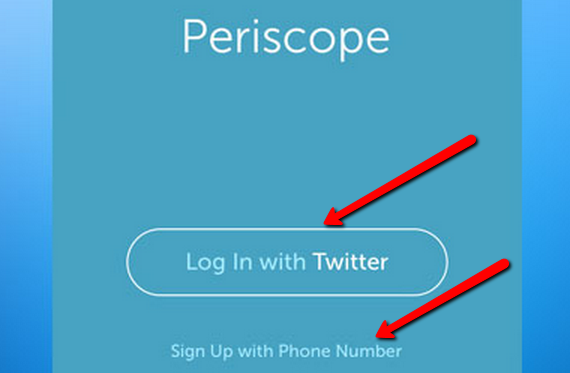
2) Sign-up – you have two options:

periscope-login

You can either:

A. Log in with your Twitter credentials (the easier one)
B. Sign up with your phone number

3) Create a username – Periscope still has a lot of usernames available, so this is your opportunity to get the name you really want.

Although there is no real science of choosing the right username, it’s highly recommended that you go personal and choose your real name.

4) Do something cool – the best thing about Periscope is that it’s really simple. Once you’ve signed up, you have three options:

  • Follow people
  • Start a broadcast
  • Watch other people’s broadcasts

periscope-menu

I recommend that you start by watching other people’s broadcasts, so you can see how the thing works – you only need to click the globe icon to see who’s live right now.

How to Crush it With Live Video Streaming

I’ve seen many people fail with video streaming just because they focus on applying trendy techniques, but forget to follow the principles.

Remember, techniques change over the time, but principles remain the same. This applies to any subject, so if you learn and master principles, you’ll always ok.

Here are the 5 counterintuitive principles of live video streaming:

1) Tell a story that matches up with your audience’s worldview – It’s not a big secret that storytelling is a powerful tool to engage an audience. However, there are good and bad stories, so you need to make sure you’re telling a story your audience really want to hear.

Of course, you need to know your audience to make this works. You need to know who they admire, what are their problems, what makes them feel good or bad – this is where buyer personas come in handy – so you can start creating stories around those things.

For example, Spotify constantly shares behind-the-scenes videos with celebrities their audience admire.

2) Develop a distribution plan before you start the broadcast – People only have 24 hours to watch a replay. This means that you have a limited amount of time to promote your videos. If you start to develop a distribution plan after your presentation, you’re screwed.

Instead, start planning with at least 2 days of anticipation, this way you’ll always have an ace up your sleeve. For example, I always create a list of 100 to 250 people who might be interested in what I’m going to publish the upcoming week. Then, once the content goes live, I let them know about it.

You can also let your audience know ahead of time. For example, you may say “this Thursday at 2PM Central I’ll be on Periscope discussing how to market electric cars. Mark your calendars! I’ll tweet with the link once we go live.”

3) Encourage users to participate – You’ll reach more people and be more effective if you can turn your audience into promoters. This is why you need to encourage them to comment and share.

Giveaways are a great way to encourage people to participate, so you can try to create some kind of “mini-contest”. For example, Doritos is releasing a contest that consists on tagging three people with the hashtag #DoritosRoulette. Those people participate as a team and have the opportunity to win great prizes.

Of course, they share the live event through Periscope. It’s a really smart strategy.

4) Use Periscope to solve specific needs – If you focus on solving your audience’s problems, they’ll come back again and again – you’ll create a loyal community. Start by asking your audience what topics they want you to talk about, and start developing ideas based on that information.

How to Create the Perfect Headline for Your Broadcast

I don’t need to tell you that headlines are basically the most important thing of any piece of content. If your headline sucks, nobody will care about the rest of your article, video or audio. This is why you need to spend enough time on this.

But don’t worry, creating a good headline is not that hard. There’s lots of information on headline copywriting you can get through, but in the meantime you can start by following the next “hacks”:

Step 1: Find a proven headline idea

Instead of using a headline you think might work, it’s much better to use a headline that has a proven record of success – there are two options:

A) Reverse engineer BuzzSumo results:
First, go to BuzzSumo and type in a keyword related to your main topic.

buzzsumo-1

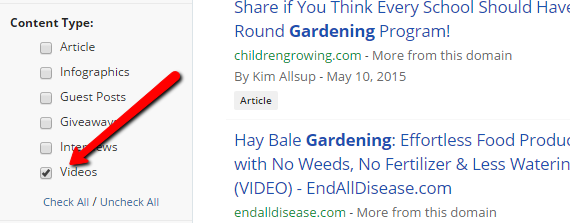
B. Select “Video”:

buzzsumo-video

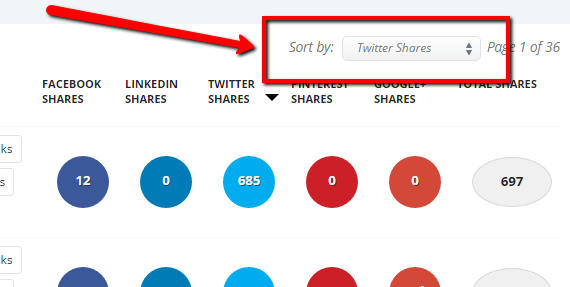
C. Then, sort the results by Twitter shares:

buzzsumo-twitter

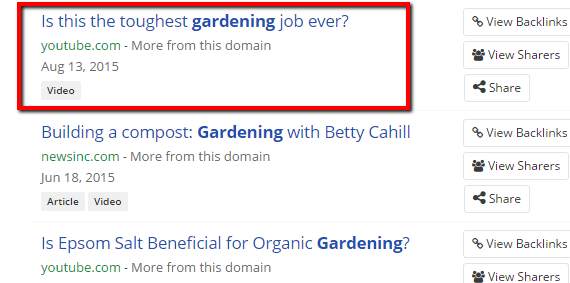
D. Select 2-3 successful headlines and create a template.

buzzsumo-headlines

For example: Is this the ______ [Your Topic] job ever?

B) Find popular YouTube videos:

youtube-gardening-mistakes

  • Go to Youtube and type in a keyword related to your main topic
  • Look for videos with over 100,000 views
  • Take 2-3 of them and create templates

For example: Top [number] [your topic] mistakes (and how to avoid them)

Step 2: Use Twitter to Test Your Headlines and Find a Winner

Once you have 3-5 headlines, it is time to test which of them is best. To do that, you need to have access to:

  • Twitter account with at least 1,000 followers (or at least get someone with a high follower count to retweet you)
  • Your best time to tweet

First, tweet out one of your headlines when most of your audience is online, wait 24 hours and then tweet out the other headline. Repeat the process with each of your headlines and see which of them got the most engagement. That’s the winner.

This might not be an exact science, but will give you an educated clue of what people want.

As an alternative, you can list out your headlines in 1-3 tweets and ask your followers which they like best. In most cases, this will only work if your audience is copywriters, marketers, or writers.

How to Get More Periscope Followers

The more followers you have, the more reach you’ll get, right? Here are some ways to get the most out of your current resources to get more Periscope followers:

1) Follow Other People

I’ve heard a lot of people who say that the “follow back” approach doesn’t work. That’s BS. It works extremely well. As long as you just follow relevant people and avoid spam you’ll be fine.

The first step is create a list of at least 100 people in your industry who are already using Periscope to market their businesses. Then, follow them and start the conversation.

Start watching their broadcasts, commenting and even creating content around them. If you do that, you’ll definitely get noticed and a good percentage of them (and their followers) will follow you too.

2) Respond to Every Single Comment

People always come back to the places where they feel appreciated.

Think about it: Which store would you come back to? The store where employees are rude, or the store where everyone treats you incredibly well?

The answer is obvious.

If you treat every member of your community like if she or he were the most important person in the world, they’ll feel really appreciated. And one of the best ways to demonstrate your appreciation online is by responding to their comments.

This will encourage more people to follow you because it will help turn followers into evangelists.

3) Don’t Go to the Third Round

Some people will analyze everything you do, including the good and bad things.This is why you need to be careful with what you do. Not only on Periscope, but in all social networks.

What I mean by “don’t go to the third round” is that if someone starts to post negative comments on your videos, don’t fight with them.

You can reply once, but if that person replies back, no matter how much you want to tell them how wrong he or she is, just don’t do it. Ignore that person. If people see that you offend your audience, they won’t follow you.

4) Be Constant

People like to follow people who constantly shares new stuff. If you’re expecting that people follow you because you published a video 3 months ago, you’ll not see the results that you want.

The best you can do is creating a publishing schedule. This way, you and your team can develop ideas and keep your calendar full.

You can schedule a 20-30 minute meeting each week or month to do this.

How to Increase Your Reach

1) Leverage the Power of Brand Evangelists

It doesn’t matter how small your follower base is, you’ll always have a small group of people who always are sharing, commenting and linking to your content.

These are your “brand evangelists”.

Most people make the mistake of trying to connect and engage with every one of their followers. It’s much more effective to focus on creating strong relationships with your evangelists and then let them introduce you to their own audiences.

Focus your energy on the few and you’ll get the most out of the masses. It’s a smarter approach to social media.

2) Find Your Best Time To Go Live

As with anything in social media, there are better times to publish your content than others. For example, Buffer found that on average, tweeting at 5 PM can increase your chances to get noticed.

It doesn’t mean you should share your videos at that time, but it definitely means that you can increase your reach by finding the exact hour where most of your audience is online, so you can share your content at that time.

There are no tools to do this with Periscope yet. However, since Twitter owns this app, a huge percentage of your Periscope followers are already on Twitter (if not all of them), which is very useful.

You can use tools like FollowerWonk or Hootsuite to find your best time to publish content on social media. In addition, this guide from Hubspot will guide you step-by-step through an effective process.

3) Create Co-Branded Content

One of the best ways to grow your audience is by creating relationships with people who have an established audience in your industry, but who aren’t your competitors. This way you can collaborate to create content that both of you can use.

For example, Noah Kagan recently launched a co-branded free training course where he and other industry experts collaborate to help you get your first 1 million visitors. They created special deals, so people who subscribe to the course can get products they own at special prices.

co-branded-content

It’s a win-win.

You can look for relevant people in your industry who are doing it well on Periscope, and then create co-branded live video streaming, so both of you can get introduced to a different audience, and therefore, grow yours.

How to Hack the Advanced Twitter Search to Evangelize Your Videos

One of the best things about Twitter is that you can easily find people who might be interested in your content. Just need to type a keyword in the search bar and Twitter will show you all the people who have shared content on that specific topic.

And when someone shares something on Twitter you know two things:

  1. That person is interested in your topic
  2. That person likes to share content related to that topic

That is very useful because now all you need to do is put your content in front of them.

Here’s how:

Step 1: Go to Twitter and type in a keyword that describes your main topic. For example, if I was going to share a video related to greenhouses, I could look for “gardening”.

twitter-search-gardening

Another option is to look for a specific name. If you know that one of your competitors is doing it well with Periscope, you can search for their name.

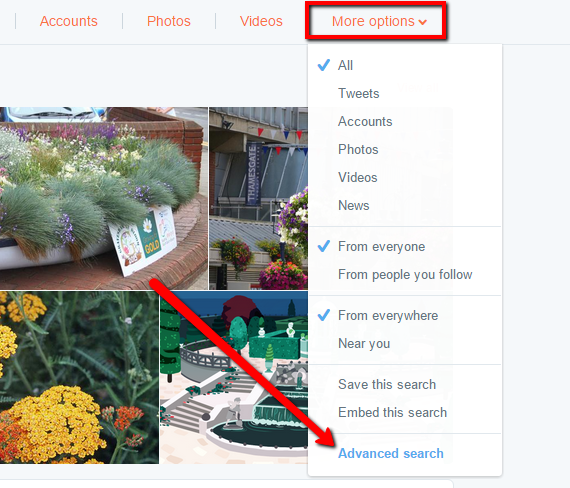
Step 2: Click on “more options” and select “Advanced Search”.

twitter-advanced-search-1

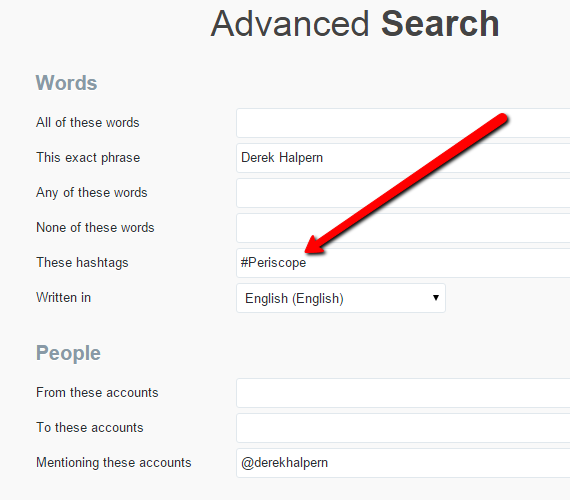
Step 3: Fill the form as you need, just make sure to add #Periscope in the section called “these hashtags”. This way, Twitter will show you only tweets that have that specific hasthag.

Remember, we want to find people who might be interested in attending your live video streaming, so is highly important that you follow this step.

twitter-advanced-search-2

Step 4: Make a list of all the people who appear in the results and let them know about your upcoming event. Since they’ve seen and shared similar content before, they’re very likely to attend to your streaming, too.

twitter-search-results-periscope

You can use the following script:

Hi NAME,

I noticed that you tweeted out a Periscope broadcast the other day: TITLE OF THE BROADCAST

Great stuff, I really enjoyed it, too.

I actually have a broadcast on TOPIC coming out on DATE

Let me know if you want a heads up when it comes out :)

Cheers,

NAME

Note: For this strategy to work, I recommend that you create a list of at least 50 people. Also, If you’re wondering how to find a person’s email, you can read this post.

How to Get Tangible Results

One of the biggest problems people have with live video streaming is they don’t know how to achieve results. I’ve found that the reason for it is they simply don’t know how to connect it with business objectives.

We talked about setting your goals earlier in this guide for that simple reason. When your goals are clear, everything is much simpler.

Here are 4 ways to connect the dots between Periscope and your core marketing goals, so you can see tangible results. Choose those ones that better fit your business objectives.

1) Humanize Your Brand

One of your main goals as a brand is to build strong relationships with your audience, and Periscope helps you do that in a very unique way – you can basically open the gate and give to people an inside-look to your company.

Think about it: What better way to humanize your brand than sharing what you do in a common day?

Reality TV is so popular because people love to connect with other human beings. If you share behind-the-scenes content to your audience, they’ll feel more connected with you, and therefore they will trust you more.

2) Product Demos

What better way to offer proof than showing your audience a live product demonstration? This way, they can see in real time how your product actually works and the results they can achieve if they decide to buy it.

3) Customer and Audience Research

Audience research is one of the hardest things when it comes to online marketing (especially when you don’t know where to look). However, once you get it done, you’ll an unfair advantage over your competition.

Periscope gives you the opportunity to learn what your audience really wants, in real-time. You can conduct live Q & A to see what specific questions they ask, you can study comments people are making to find patterns on the way they think, and you can even find untapped keywords they’re using to describe their problems.

This information will help you develop better strategies and help your audience in unique ways.

4) Create Exclusive Content For Your Subscribers

You can create a private group for your blog subscribers and share content that only people who are in your private community can see. This will create an athmosphere of exclusiviness, which people love so much.

Over to You

Periscope is new and fresh. If you think it’s right for your business and goals, then take a dive and start a broadcast using the guidelines we discussed.

Hopefully this guide has shown you that Periscope is a powerful social media tool to grow your brand.

What other tips, techniques and insights do you have about Periscope?

About the Author: Josue Valles is a content marketing evangelist, strategist and die-hard entrepreneur. He constantly blogs about Inbound Marketing, SEO and Social Media Marketing at Engagebit. You can also follow him on Twitter.