Monday, 4 April 2016

Why Your New LLC Needs an Operating Agreement

Many entrepreneurs are understandably eager to get their LLCs off the ground. After all, the sooner business begins the better. Which leads many LLC members to ask: Do I really need to write an operating agreement?


Fair enough. No one wants to compose a lengthy, complicated legal document if it isn't necessary. Sometimes this question comes with a variation: I'm starting a single-member LLC, so why would I need an operating agreement? It's just me. 


The truth: Every LLC needs an operating agreement (especially a single-member LLC). That's the short answer. Here's the why:


1. An Operating Agreement Defines Roles


There are numerous roles in the management of a company. Regardless of what they are called in your LLC, someone must take on the various roles associated with the company president, secretary, treasurer, etc. While most business owners have a fair idea of what these roles entail, the operating agreement takes the implicit and makes it explicit. All roles are clearly, thoroughly defined.


By defining roles, you effectively establish order. This job belongs to Joe. this job belongs to Sue. The last thing you need is to discover nobody opened the company bank account because it was unclear who was responsible for opening new accounts.


2. An Operating Agreement Avoids Future Conflict


When roles are clearly defined, every LLC member knows precisely what is expected of them. Each member can do their job with complete confidence, knowing they are fulfilling their roles. Murky, undefined roles lead to conflict. Joe believes he's doing his job, but Sue believes he's overstepping his bounds and trying to do hers. No one knows for sure who is in charge of what. This leads to resentment and dissatisfaction.


Everyone wants to be appreciated for their contribution to the company. Make sure roles are clear, and everyone can get the credit they deserve.


3. An Operating Agreement Plans for Dissolution


Think of your LLC as a person. What happens when someone dies? The individual's family must distribute the person's assets. To do so, the family follows that loved one's will.


But what happens when there's no will? Two words: probate court.


An LLC is no different. If your LLC dissolves minus an operating agreement, then the company's assets go to probate court. Without a dissolution plan, the court will divide up the assets according to state law. While state laws attempt to be fair, it is unlikely your LLC members will be satisfied with assets divided by the court.


When writing your operating agreement, lay out a clear plan for how assets will be divided and how business will be properly wound up.


4. An Operating Agreement Supports Liability Protection


Every LLC member's fear is the threat of a court “piercing the corporate veil” and seizing a member's private assets. When this happens, it is often because the LLC can't demonstrate a clear separation between members and the LLC–this is a particular danger for single-member LLCs.


An operating agreement alone is not evidence of separation, but it is a crucial part of the overall package. Should you ever end up in a legal dispute in which you need to prove separation, the judge will want to see as much physical evidence as possible.


An operating agreement is often referred to as an LLC's blueprint. You write one in order to plan your business, the same way an architect writes a blueprint to plan a house. Just as you would be skeptical of a contractor building your home without a plan, it is unlikely that a judge will look favorably upon your LLC if you never took the time to write an operating agreement.


5. An Operating Agreement Aids Investment


Every company has investors. Even in the smallest LLC, the initial members must give something in order to get the company going. Most LLCs will need business loans, and some companies may even court venture capital.


No matter who is investing in your business, they will want to feel secure in their investment. And while many investors are persuaded by good business proposals, few will offer their money without evidence that your LLC is well-thought-out and organized.


An LLC without an operating agreement shows a lack of preparation and a lack of seriousness. If your bank sees your LLC as disorganized and unprepared, it will be difficult to convince them to extend your company a loan.


Don't just have a dream for your company, have a plan. Show investors that you are as interested in the nitty-gritty practicalities as you are in your lofty ideas. Writing an operating agreement goes a long way in convincing investors to take your LLC seriously.


The post Why Your New LLC Needs an Operating Agreement appeared first on AllBusiness.com

The post Why Your New LLC Needs an Operating Agreement appeared first on AllBusiness.com.


10 Quick and Easy Email Marketing Segmentation Strategies to Try Today

Marketers know that segmenting email marketing lists can improve open and clickthrough rates. MailChimp's latest user data showed that segmented campaigns get 14.64% more opens and 59.99% more clicks than non-segmented campaigns.


That said, figuring out the best way to segment your email marketing lists can be a huge undertaking.


To make it a little less daunting, this post will show you 10 quick and easy segmentation strategies that you can get started on today.


1. Demographics


The first way many marketers begin email marketing segmentation is by demographic data. Information such as age, gender, company position, and income level can tell a lot about a person's needs and interests.


The more information you can get about your audience in the sign-up process, the more options you'll have for demographic segmentation. Be careful with this, though, because asking for too much information can scare people off from signing up at all.


Decide which metrics are most essential for your business and include those questions in the signup process.


For example, if you're a B2B software developer, company position would be an important demographic. If you're a clothing retailer, then gender would be extremely valuable to know. Add 1-3 of the most relevant demographic factors for your business (or more, depending on the complexity of your segmentation needs).


The easiest way to segment by demographic information is with your website forms. Your email marketing platform will allow you to customize the email sign-up questions, or you can use a plugin (such as Rapidology) to create opt-in boxes.


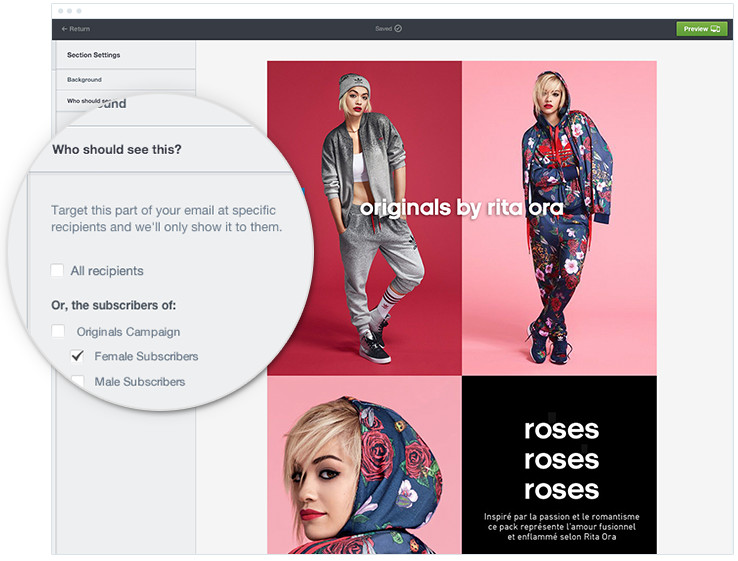
If you use a tool like Campaign Monitor, demographic segmentation is a part of the email builder. Just select the content you want to segment, and the demographic you want to show it to:

campaign-monitor-segmentation


Image Source


2. Survey or Quiz Results


Some marketers are minimalists who wouldn't dare to ask for more than an email address to sign up for their mailing list.


That's fine – you can still get access to nuanced data about your customers by creating a survey or quiz.


A survey gives you the opportunity to not only get that valuable demographic information, but also insights into individual tastes, preferences, and beliefs.


If you want to send out a survey to your audience and get a lot of responses, you should probably create some kind of incentive for completing it – such as entering them in a drawing to win a prize.


Or, instead of pitching it as a survey, turn it into a quiz that offers results that would interest your audience.


There are a lot of different ways to create custom surveys for your audience. If you're on WordPress, you can use the Quiz and Survey Master plugin to create your custom survey. It also integrates with MailChimp, so you can export your results.


If you use Aweber, you can create a free survey with Google Documents, Survey Monkey, or SurveyGizmo, and then integrate them into your Aweber emails.


3. Email Engagement


Email engagement is another very basic way to segment your lists, but it can have a huge impact on your overall results.


Open rate and clickthrough rate are the main metrics here, which you keep track of in your email marketing service.


You can segment by engagement by designating active vs inactive users, such as someone who hasn't opened your emails in three months. You can then create a specialized campaign designed at re-engaging your inactive subscribers.


Or you can focus on subscribers who do engage, and target them more specifically. For example: you send out an email announcing an upcoming sale, and everyone who clicks through the email link can be categorized as “interested.” You can then create a special campaign to further target them as likely buyers from the sale.


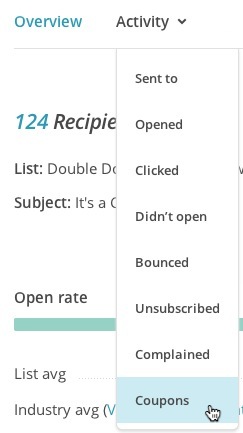
If you use Mailchimp, segmenting by engagement is simple. In the “Activity” tab, you have options to see a variety of subscriber behavior:

mailchimp-activity-coupons


Image Source


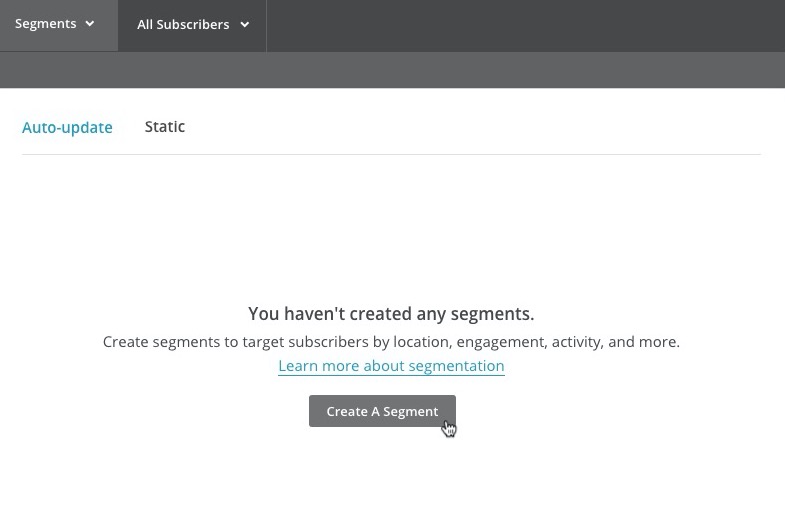
You can then create unique segments including any or all of these metrics:

mailchimp-segments


Image Source


4. Geographic Area


There are a lot of different ways to use geographic location data, making segmentation by geographic area a valuable tool – especially for businesses where location greatly influences purchasing decisions.


Litmus, for example, used geolocation to send out targeted emails for their Email Design Conference in San Francisco, London, and Boston, including helpful details for each location:


litmus-hotel-room


Image Source


Their targeted emails got them a 68% open rate, compared to a 22% open rate for the general conference announcement.


Other ways companies can use geographic data include:


  • Time-based email messages. Stagger your emails to send out at optimum times for customers in different time zones.

  • Advertising regional promotions. Send focused emails for events in certain store locations.

  • Live webinar or AMA invitations. Adjust event timing based on audience location.

  • Personalized travel directions. Customize directions to a store or event based on the reader's geolocation.

  • Where a customer shops. Send out offers specific to the physical store a buyer frequents.

  • Location-specific content. Use a location in your headlines or content to draw attention and offer a personalized experience.


5. Past Purchases


Segmenting by past purchases is another simple way to optimize targeting. The easiest way is to start sending out email recommendations for similar items or accessories that would go well with their previous purchase.


Or, if a customer bought something that requires replacement, refilling, or renewal, you can send out targeted emails based on their potential needs.


For example, if someone purchased a certain hair styling product, you can make an educated guess about when it might run out – and send her an email after a few months suggesting a reorder.


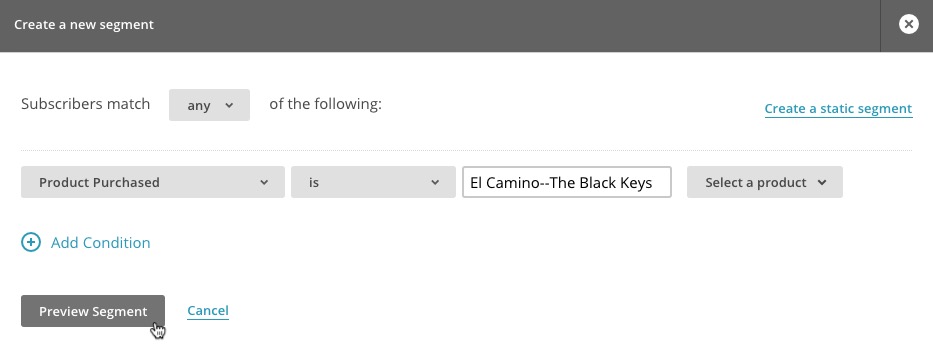
To do this in MailChimp, you'll need to use either the eCommerce360 plugin or eCommerce360 tracking for purchase activity to appear in your campaign reports.


Then you can segment by product purchased, category of product purchased, or even combined factors.

mailchimp-create-a-new-segment


Image Source


6. Amount Spent


If you sell a range of high and low dollar items, amount spent can be a great segmentation strategy. Use customer expense history to determine which customers are likely to buy more expensive items and which are more interested in affordable, low dollar items.


Then you can send out targeted emails featuring products that are actually in each person's price range.


In Kissmetrics, you can pull a segment based on how much people spent on an order in the past:

kissmetrics-people-report-ecommerce


Intermix, a women's clothing retailer, used this strategy to decrease the value of discounts they sent out. They segmented customers into three groups:


  1. VIPs – Shoppers with high disposable incomes

  2. Sales shoppers – People motivated by discounts

  3. Brand shoppers – Customers who showed loyalty to a brand, but were price-conscious


VIPs were sent out non-monetary offers (exclusive invites and events), while the other two segments were sent discount offers ranging from 10-30%.


After everything was said and done, the effort got them a 15% increase in annual revenue.


7. Position in the Sales Funnel


Segmenting by where your audience is in the sales funnel is one of the most valuable ways to customize your messaging.


Someone at the top of the funnel should be receiving different targeted emails than those at the bottom. For example, for a group of brand-new subscribers, their emails should be more generalized, giving a range of the products or features you offer – such as a series of welcome emails introducing them to the brand.


If they've been signed up for a while and interacted with certain email content (such as clicking through a link), you can use this information to determine what exactly they're interested in, and send more targeted emails on that product or service.


Cart abandonment is a common indicator that someone's at the bottom of the funnel. In 2015, the rate of cart abandonment was 68%. They had intention to buy, but something stopped them.


This presents an opportunity – you can send out a follow-up email reminding them that their cart is still available, or a message featuring the products they were about to purchase.


You can easily track cart abandonment in Kissmetrics:


cart-abandonment-in-kissmetrics-funnel


Here's a nice example from Fab on how you can follow up:


fab-email-followup


Image Source


8. Website Behavior


Keeping track of website behavior is another simple way to get more information about visitors' interests. For example, you can send targeted emails based on the specific pages they visited – but that's far from the only option.


The sheer amount of behavioral data you can gather now is pretty impressive. There are tools, like BeamPulse, that keep track of visitor scrolling behavior, icons clicked, time active on page, menus visited, and more.


With the 'Goals' feature in MailChimp, you can also send out targeted emails based on website activity, such as:


  • Pages people visited

  • Pages they didn't visit

  • People who visited one page but missed another related page

  • What videos they watched (and how long they watched them)


Set up Goal Autoresponders with Mailchimp, and you can send out automatic targeted emails based on the content people did or didn't engage with on your website.


9. Time Since Last Purchase


Time since last purchase can be a valuable segmentation strategy, since it doesn't make sense to lump a customer who last bought from you months ago in with one who bought something last week.


Instead, you could split them up into two major groups:


1. Frequent Buyers


This group purchases something from you at least monthly. They like your brand and are obviously interested in your products, so you target them by:


  • Upselling product or plan upgrades.

  • Offering promotional deals.

  • Promoting new features or products.


2. One-time Customers


This group bought one of your products six months ago but hasn't been back since. Or maybe they used to be a frequent buyer but fell off the grid. Your emails should be targeted at drawing them back to your brand, by:


  • Offering personalized discounts on former purchases.

  • Highlighting the company's positive attributes.

  • Sending reminders to renew/repurchase.


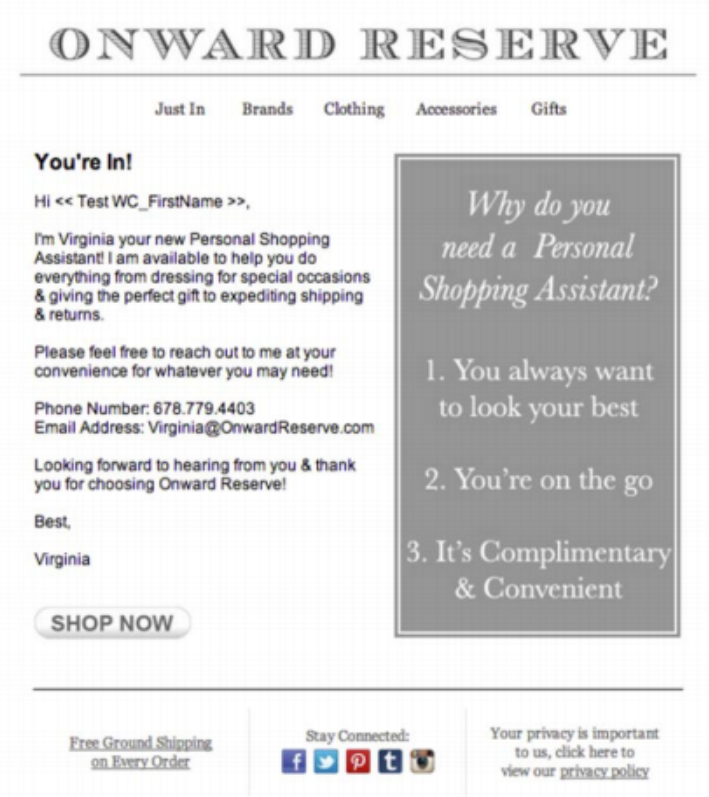
Onward Reserve, an online menswear retailer, used a similar approach, segmenting by best customers (at least three purchases), non-purchasers, and churning customers. They tailored messages to each group:

onward-reserve


Image Source


Their efforts got them:


  • 278% increase in revenue

  • 183% increase in CTR

  • 41% increase in open rates


10. Personal Interests


This tactic is a little more advanced, but it's still fairly simple to do with the right tools.


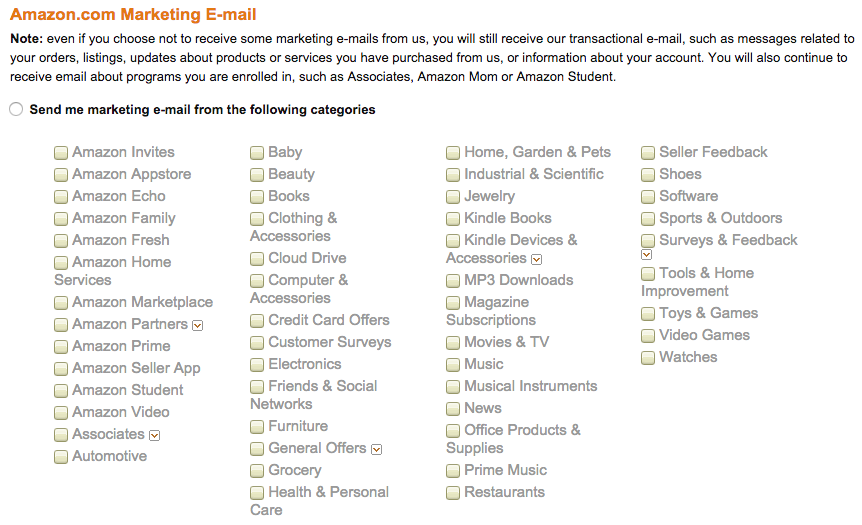
You can get detailed information about subscribers' personal interests by creating user profiles on your website or using an email subscription center.


Here's an example from Amazon:

amazon-marketing-email-categories


You can ask your audience to indicate their preferences when signing up – and give them plenty of opportunities to update those preferences by including a CTA in your emails.


By asking your subscribers to indicate their preferences, you can easily cut through the noise by targeting your audience based on their real interests.


You can create custom subscriber preferences with email marketing tools like Mailchimp or Campaign Monitor.


Then, just add the preferences tags to every email you send out.


Conclusion


Email marketing segmentation isn't a tactic reserved only for brands with the most advanced marketing automation software. With a simple email marketing service and a bit of creativity, you can start targeting your audience with these easy segmentation strategies today.


Know of any other easy ways to segment? Let us know in the comments below.


About the Author: Andrew Raso is the co-founder and director of Online Marketing Gurus, a fast-growing, award-winning search company working with brands including HelloMolly, Baku Swimwear, and Forcast. Follow him on Twitter at @andrewraso1 or on LinkedIn.


Friday, 1 April 2016

How Emotional Targeting Converts More Leads

A study found “that websites with a stronger emotional impact produced a greater intent to buy.”


Appealing to your audience's emotions creates a connection. Whether you're designing product descriptions or landing pages, your team must aim to evoke emotion into your messaging.


That's why storytelling works so well. It's a powerful way to engage your customers.


Research by Pringle & Field found that “emotional campaigns outperform on almost every metric,” including revenue, profit, and share gain.


Emotional targeting produces authentic content that speaks the consumer's language. It's those irresistible stories that touch people's hearts and propels them to purchase your products.


Ready for a challenge? Learn how to convert more leads with high-impact emotional messages.


1. Psychological Triggers


Emotions determine our everyday decision-making. We buy when we're sad. We buy when we're happy.


However, most brands miss the opportunity to develop an emotional link with shoppers. They focus on product features, rather than understanding the feelings behind the purchase.


In 2014, Facebook “revealed that it had manipulated the news feeds of over half a million randomly selected users to change the number of positive and negative posts they saw.”


This controversial psychological study found that people mimic the emotions expressed in online content. So, if people read a positive post, they are more likely to respond positively.


With that in mind, prepare your SaaS to develop digital marketing campaigns ingrained with psychological triggers. For instance, happiness induces people to share.


Serial entrepreneur Neil Patel says, “When your content drives people to a state of happiness or joy, they will automatically respond to your offers, feel obliged to share your content, and will stop at nothing to tell others about you.”


Here's an example from Moz. Their Whiteboard Friday videos express excitement as experts teach SEO and online marketing skills, and they receive thousands of YouTube views.


rand-moz-whiteboard-friday


Also, A/B test your campaigns based on behavioral and emotional marketing, not tactical elements.


Talia Wolf, the Founder and CEO of Conversioner, states, “Great marketing campaigns look at the entire product as an ecosystem. Rather than just changing the headline, or the colors of individual elements, they approach the product as a whole.”


There is real value in tapping into people's emotions. Work with your team to develop digital content that connects to your shoppers' sentiments. It will help maximize your lead conversions.


2. Memorable Experiences


Memories are precious moments in our lives.


We remember graduating from high school, breaking up with our first romantic partner, or even that embarrassing moment when we flopped a presentation. These experiences evoke us to think about how we felt at that particular time.


To harness the power of memorable experiences, associate your brand's shopping experience with your customer's life events. For example, transfer the same emotions customers felt when they got married or bought their first home.


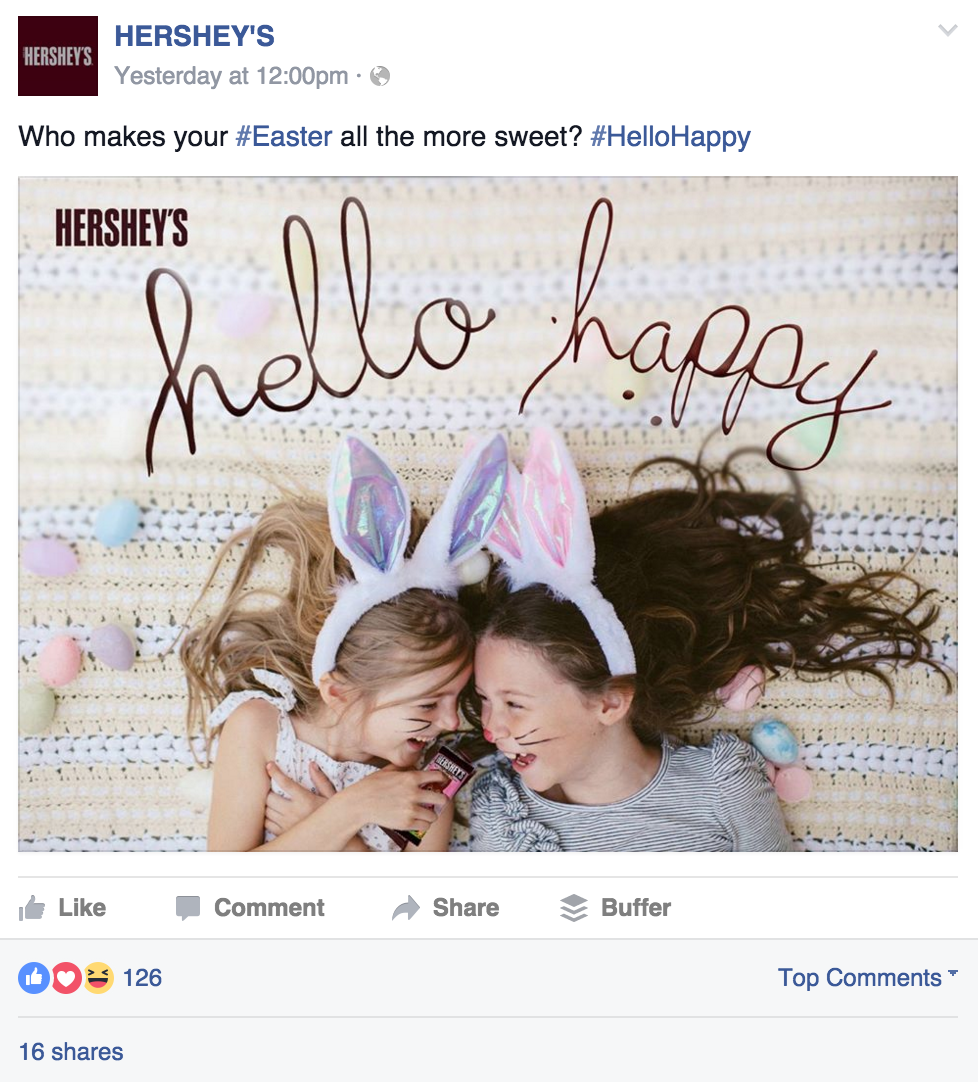
For instance, chocolate is usually associated with joy. Hershey's is keeping that alive with its #HelloHappy campaign.


hersheys-hello-happy-campaign


Stacie Stauffer, senior brand manager at Hershey's, told AdFreak the following:


“The second you say 'Hershey,' the most amazing thing happens. This giant flood of emotions and memories happens-when I made s'mores camping, or stirred up chocolate milk with my mom. That solidified that we should be speaking more as [one] brand, and from a much more emotional place.”


This type of emotional targeting makes consumers feel subconsciously connected to your brand. They are compelled to read more, click on your offer, and even purchase your services.


Chris Dalton recommends offering value without expectations.


He said, “Sometimes, the best sales pitch is no pitch at all. Consumers have become savvy to ignoring direct sales tactics or sleazy methods. If you offer information relating to your products with honesty and transparency, your customers will notice.”


Buffer does an effective job by giving its customers an inside peek at their operations. Check out their BufferOpen blog about their “journey to greater productivity, more transparency and a happier work culture.”


buffer-open-blog-post


Map out a path to connect your customers' memories with your brand. And sometimes that means not selling, just providing value.


3. Visual Storytelling


DemandGen Reports noted that video content for B2B marketing increased by 8% to 54%, and infographics jumped 9% to 52% in 2014. It's becoming a necessity to use visuals as part of your marketing strategy.


A good visual stimulates people's senses. It can create fear, elicit pity, or showcase friendship. Font styles make a difference, too. People consider clear, readable font as trustworthy.


But you can't just plop any picture on your website or Instagram account. Freelance writer Dawn Papandrea agrees:


“To make visual storytelling work, however, you can't simply slap a few stock photos onto your blog or social media posts. Just as headlines and calls to action must be crafted carefully, your visual content deserves more than a second thought.”


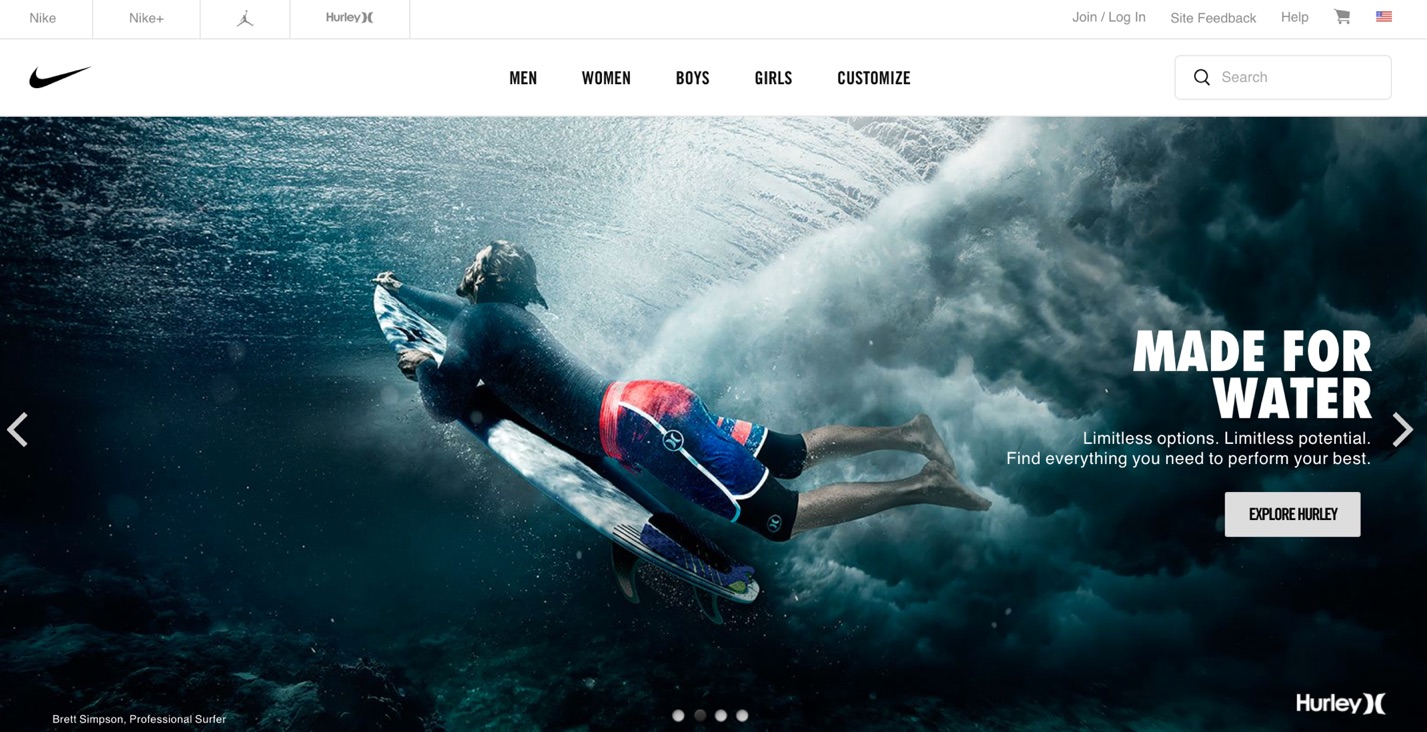
From screenshots to actual photographs, think about how to convey emotion to your audience. Do you need a wide-angle shot? Will a big red arrow show more impact for the viewer?


nike-made-for-water


In the above picture, Nike displays the endless possibilities customers can experience with their apparel. It's all about the adventure and the limitless options the brand offers its consumers.


In addition, be aware of diversity in your visuals. Cultural shifts happen within our society.


Not everyone will be on board with your company's inclusiveness. But don't let that stop your eCommerce store's progression.


General Mills faced negative backlash for featuring an interracial couple in their 2014 Cheerios Super Bowl commercial ad. Despite some disapproval, there was also an overwhelming positive response applauding their diversity efforts.


Use visual storytelling to communicate emotion to your customers. From infographics to videos, give your shoppers a better understanding of your brand's culture.


4. Social Proof


We're humans. We want to belong.


Social proof in marketing activates those desires to be affiliated with a specific group of people or worthwhile cause.


Social media strategist Michael Sherman, says, “For many, a proven testimonial or example is the emotional trigger a person needs to say yes on buying your products and using your services.”


Old Navy appeals to shoppers' sense of belonging. They focus on offering trendy clothes at affordable prices.


In the tweet below, the retailer implies that if you want to get ready for spring and be happy with your friends, purchase from their wide-selection of clothes.


For social proof to work well, your brand must truly understand your consumers' motivations and intentions.


For example, expert social proof may emotionally influence your consumers to take action. This happens when an industry influencer or well-known blogger publicly approves a product. Those endorsements look like a basic quote or a video testimonial.


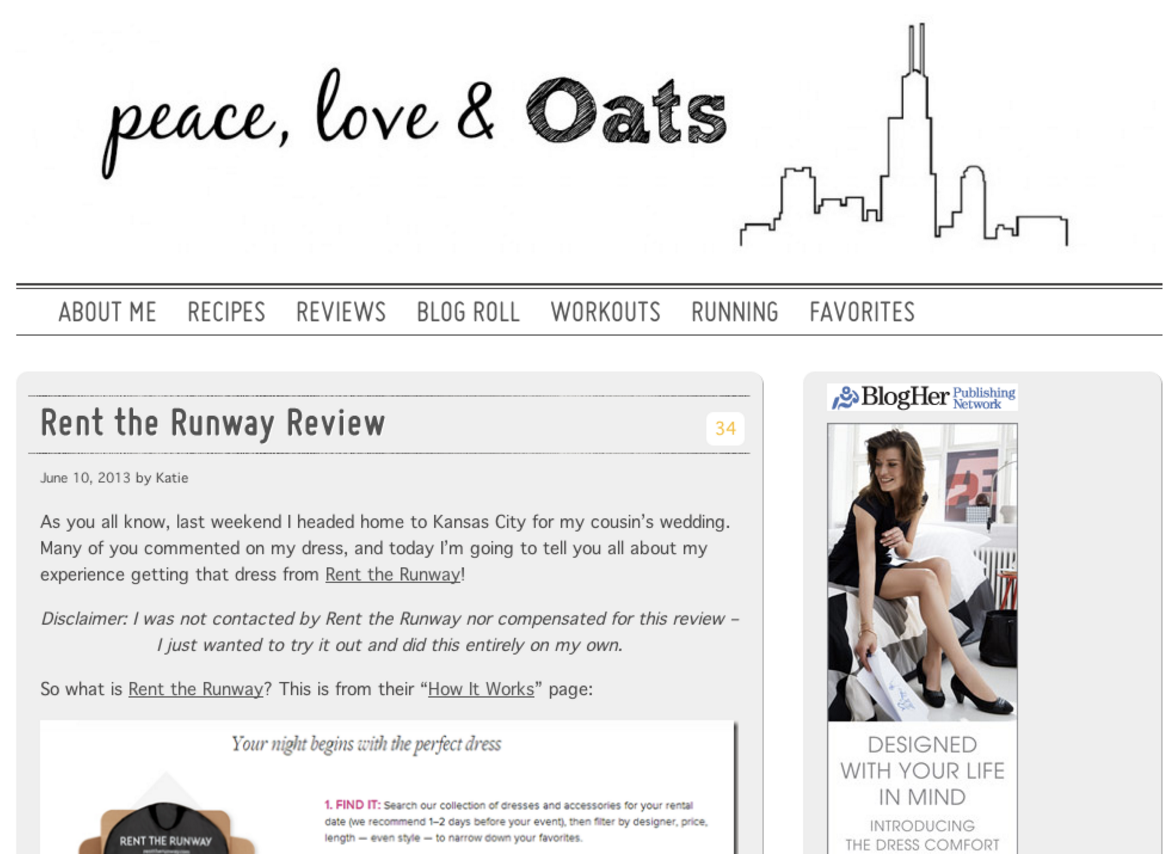
Rent the Runway experienced a 200% higher conversion rate from mentions by a fashion magazine or blogger than paid search.


peace-love-oats


Learn what riles up your consumers. Identify experts that appeal to your audience and coincide with your brand's values. Give people the social proof they need to buy your products.


Target Emotions


Strive to build an emotional connection with your buyers. As a result, customers will feel connected with your brand and purchase more.


Strategize on how to add psychological triggers. Ditch transactional relationships for memorable experiences. And invest in visual storytelling to express your brand better.


Target people's emotions to convert more leads.


About the Author: Shayla Price lives at the intersection of digital marketing, technology and social responsibility. Connect with her on Twitter @shaylaprice.


How Emotional Targeting Converts More Leads

A study found “that websites with a stronger emotional impact produced a greater intent to buy.”


Appealing to your audience's emotions creates a connection. Whether you're designing product descriptions or landing pages, your team must aim to evoke emotion into your messaging.


That's why storytelling works so well. It's a powerful way to engage your customers.


Research by Pringle & Field found that “emotional campaigns outperform on almost every metric,” including revenue, profit, and share gain.


Emotional targeting produces authentic content that speaks the consumer's language. It's those irresistible stories that touch people's hearts and propels them to purchase your products.


Ready for a challenge? Learn how to convert more leads with high-impact emotional messages.


1. Psychological Triggers


Emotions determine our everyday decision-making. We buy when we're sad. We buy when we're happy.


However, most brands miss the opportunity to develop an emotional link with shoppers. They focus on product features, rather than understanding the feelings behind the purchase.


In 2014, Facebook “revealed that it had manipulated the news feeds of over half a million randomly selected users to change the number of positive and negative posts they saw.”


This controversial psychological study found that people mimic the emotions expressed in online content. So, if people read a positive post, they are more likely to respond positively.


With that in mind, prepare your SaaS to develop digital marketing campaigns ingrained with psychological triggers. For instance, happiness induces people to share.


Serial entrepreneur Neil Patel says, “When your content drives people to a state of happiness or joy, they will automatically respond to your offers, feel obliged to share your content, and will stop at nothing to tell others about you.”


Here's an example from Moz. Their Whiteboard Friday videos express excitement as experts teach SEO and online marketing skills, and they receive thousands of YouTube views.


rand-moz-whiteboard-friday


Also, A/B test your campaigns based on behavioral and emotional marketing, not tactical elements.


Talia Wolf, the Founder and CEO of Conversioner, states, “Great marketing campaigns look at the entire product as an ecosystem. Rather than just changing the headline, or the colors of individual elements, they approach the product as a whole.”


There is real value in tapping into people's emotions. Work with your team to develop digital content that connects to your shoppers' sentiments. It will help maximize your lead conversions.


2. Memorable Experiences


Memories are precious moments in our lives.


We remember graduating from high school, breaking up with our first romantic partner, or even that embarrassing moment when we flopped a presentation. These experiences evoke us to think about how we felt at that particular time.


To harness the power of memorable experiences, associate your brand's shopping experience with your customer's life events. For example, transfer the same emotions customers felt when they got married or bought their first home.


For instance, chocolate is usually associated with joy. Hershey's is keeping that alive with its #HelloHappy campaign.


hersheys-hello-happy-campaign


Stacie Stauffer, senior brand manager at Hershey's, told AdFreak the following:


“The second you say 'Hershey,' the most amazing thing happens. This giant flood of emotions and memories happens-when I made s'mores camping, or stirred up chocolate milk with my mom. That solidified that we should be speaking more as [one] brand, and from a much more emotional place.”


This type of emotional targeting makes consumers feel subconsciously connected to your brand. They are compelled to read more, click on your offer, and even purchase your services.


Chris Dalton recommends offering value without expectations.


He said, “Sometimes, the best sales pitch is no pitch at all. Consumers have become savvy to ignoring direct sales tactics or sleazy methods. If you offer information relating to your products with honesty and transparency, your customers will notice.”


Buffer does an effective job by giving its customers an inside peek at their operations. Check out their BufferOpen blog about their “journey to greater productivity, more transparency and a happier work culture.”


buffer-open-blog-post


Map out a path to connect your customers' memories with your brand. And sometimes that means not selling, just providing value.


3. Visual Storytelling


DemandGen Reports noted that video content for B2B marketing increased by 8% to 54%, and infographics jumped 9% to 52% in 2014. It's becoming a necessity to use visuals as part of your marketing strategy.


A good visual stimulates people's senses. It can create fear, elicit pity, or showcase friendship. Font styles make a difference, too. People consider clear, readable font as trustworthy.


But you can't just plop any picture on your website or Instagram account. Freelance writer Dawn Papandrea agrees:


“To make visual storytelling work, however, you can't simply slap a few stock photos onto your blog or social media posts. Just as headlines and calls to action must be crafted carefully, your visual content deserves more than a second thought.”


From screenshots to actual photographs, think about how to convey emotion to your audience. Do you need a wide-angle shot? Will a big red arrow show more impact for the viewer?


nike-made-for-water


In the above picture, Nike displays the endless possibilities customers can experience with their apparel. It's all about the adventure and the limitless options the brand offers its consumers.


In addition, be aware of diversity in your visuals. Cultural shifts happen within our society.


Not everyone will be on board with your company's inclusiveness. But don't let that stop your eCommerce store's progression.


General Mills faced negative backlash for featuring an interracial couple in their 2014 Cheerios Super Bowl commercial ad. Despite some disapproval, there was also an overwhelming positive response applauding their diversity efforts.


Use visual storytelling to communicate emotion to your customers. From infographics to videos, give your shoppers a better understanding of your brand's culture.


4. Social Proof


We're humans. We want to belong.


Social proof in marketing activates those desires to be affiliated with a specific group of people or worthwhile cause.


Social media strategist Michael Sherman, says, “For many, a proven testimonial or example is the emotional trigger a person needs to say yes on buying your products and using your services.”


Old Navy appeals to shoppers' sense of belonging. They focus on offering trendy clothes at affordable prices.


In the tweet below, the retailer implies that if you want to get ready for spring and be happy with your friends, purchase from their wide-selection of clothes.


For social proof to work well, your brand must truly understand your consumers' motivations and intentions.


For example, expert social proof may emotionally influence your consumers to take action. This happens when an industry influencer or well-known blogger publicly approves a product. Those endorsements look like a basic quote or a video testimonial.


Rent the Runway experienced a 200% higher conversion rate from mentions by a fashion magazine or blogger than paid search.


peace-love-oats


Learn what riles up your consumers. Identify experts that appeal to your audience and coincide with your brand's values. Give people the social proof they need to buy your products.


Target Emotions


Strive to build an emotional connection with your buyers. As a result, customers will feel connected with your brand and purchase more.


Strategize on how to add psychological triggers. Ditch transactional relationships for memorable experiences. And invest in visual storytelling to express your brand better.


Target people's emotions to convert more leads.


About the Author: Shayla Price lives at the intersection of digital marketing, technology and social responsibility. Connect with her on Twitter @shaylaprice.


What's in a Name? Insider Tips to Naming Your Business

I've started several companies in my 30 years of business. Currently, I've got five up and running, though that says nothing of all the businesses I've seen flatline or get renamed. In all, I've named dozens of businesses and products, and folks, I'm here to tell you, naming a new startup business or product is not easy. It takes a lot of time, originality, an understanding of the market, and no shortage of creativity.


Here's a quick list of dos and don'ts on how to name your business something that you can really be proud of!


Dos:


Pick a memorable name. First, the obvious–pick a memorable name. Why?  Because people will buy from a name that they remember. There are a zillion companies with forgettable names; you don't want to be one of those. You want to be memorable, duh.  


Look for unclaimed real estate in the end user's mind. Here's what I mean: People's brains need an easy way to compartmentalize stuff so they can retrieve it later. For example, when you look at a coffee cup, your brain says it's a cup or a mug. It's a simple, discrete object. Your brain doesn't say it's a liquid holder that's eventually going to pour hot liquid down your throat. So, if you can find a phrase that already exists in the end user's brain, that isn't already someone else's business name, to attach to your company, you win!


For example, the phrase “top echelon” was already in educated people's minds, but nobody had claimed it as their own. So, I claimed it and renamed one of my companies Top Echelon. Ironically, the first week that I renamed my company, I had numerous people tell me, “I've heard of your business before.” No, they hadn't! However, there was unclaimed real estate in their brains, and I managed to put my sign there and instantly claim it as mine.


Be “strange.” You could pick a strange name that's memorable (e.g., Yahoo!, Google, Facebook, Amazon, Digg, Yelp). One fellow I knew 20 years ago named his company “The Extended Forehead Group.” That's strange, but memorable. Another woman named her firm “The Black Leopard.” Again, memorable.


Nowadays, naming your company with a bold name shows that you are confident in your business. It shows you're so confident that you can be playful with your business's name. A strange name makes people want to click on it or stop in and see what you're up to.


Use familiar words. While trying to figure out how to name your business, it's a great idea to use familiar words that are solid and trustworthy, yet easy to remember (e.g., Patriot Software, Stone Mountain, Great West).


Alliterate. Names that use alliteration are great because they are easy for a potential customer to recall (e.g., Becky's Bananas, Bob's Burgers, Big Biller, Carrot Corner, Dunkin' Donuts, Hilton Hotels, Dirty Dog Wash).   


Keep it in the family. Using your family name is often good, especially if it's memorable. Who could forget Marriott Hotels, McDonald's, Charles Schwab, or Wendy's? Using your name shows that you're confident in your quality and you're willing to put your own name on the line, which can be leveraged in marketing efforts.


Less can be more. Shorter names are much better than longer names because they're easier for the customer to remember and spell. Key Bank is a great company name. It's simple to remember, easy to spell, and the logo (a key) doesn't need an explanation. People know that it's Key Bank, and the logo plays well in an industry that dispenses home loans.


Find a memorable name for your service business. Naming a service business or a service is tougher because there's usually an action involved. If you can, find something in the end user's mind that already exists and that their brain can grab onto. For example, if you own a plumbing service, name it something friendly, like “Dolphin Plumbing.” Everybody knows what a dolphin is, and everybody loves dolphins. They're friendly and memorable. By the way, a dolphin is a noun. And, what does a dolphin do? It swims. It's in water. It does tricks, backflips, etc. With a name like that, you're well positioned to create a clever tagline for your company.  


Don'ts:


Don't be overly complicated. Avoid names that are hard to spell, hard to remember, or even intellectually above your audience. Part of conducting a market analysis is figuring out who your target customer is, and making sure you can meet their needs. For example, when I came up with Top Echelon, I knew it was hard to spell, hard to pronounce, and intellectually above some people, but the name fit my customer base exactly. The name means “the very best” or “the cream-of-the-crop,” which represents who my customers are and who their customers are. So the name was an instant winner with my customers and their customers, too.


Stay away from generic names. Names like “Quality Service Professionals” are boring and forgettable. And, especially stay away from the word “generic” itself. I actually named my computer hardware business Generic Computers, Inc. I did that because my prices were low. But, how dumb was I? People attributed the word “generic” with a lack of quality.


Don't cause confusion. You'll want to avoid names that people will confuse with another company's name. I once named a company Nationwide Interchange Service, Inc. At first, 90 percent of the phone calls I received were from people calling the phone company's directory assistance and asking for Nationwide Insurance. Yes, I got a lot of phone calls, but I didn't sell insurance!


Avoid initials. It's bad to use initials; however, if you do, plan on spending millions to get people to remember those initials. IBM is memorable, but they've spent a ton of money to get their initials known. Stay away from initials because they're only memorable to you.


Final Thoughts


I prefer to do the brainstorming for new business names on my own. But, in a vacuum, anything sounds cool and “salesy,” so it's good to keep a few trusted opinions around to help ground you.


Once you come up with a name, that doesn't necessarily mean it's available. When I come up with a name, the first thing I do is go to www.GKG.net and search for variations of the name and to see if the Internet domain name is available (e.g., CharliesPizza.com). If the domain name is not available, I'll try to come up with a different name.


By the way, most domain names are taken, so this is a very tedious task that takes time.  


It's also better to be a little general so that you have room to morph your business if later you need to. There's a huge probability that your business will be doing something totally different in a few years from what you're doing today. You want a name that will give you that leeway.


I've named a company incorrectly before, changed it's name, and then I've even changed it's name back again–that's three names for one company. Renaming will more than likely require you to apply for an EIN again, and cause a mountain of administrative work. So, while you can rename a company if you make a mistake, it's a whole lot cheaper to name it right the first time.


The chances of you finding the perfect name with the perfect domain name are rather slim, but don't get discouraged. Find a name that you are comfortable telling people, a name that you can hold your head high with when people ask you, “What's your company name?” A name that you won't be embarrassed by.


But remember, if you make a mistake, you can always rename your business later, like I did (several times)!


The post What's in a Name? Insider Tips to Naming Your Business appeared first on AllBusiness.com

The post What's in a Name? Insider Tips to Naming Your Business appeared first on AllBusiness.com.


What's in a Name? Insider Tips to Naming Your Business

I've started several companies in my 30 years of business. Currently, I've got five up and running, though that says nothing of all the businesses I've seen flatline or get renamed. In all, I've named dozens of businesses and products, and folks, I'm here to tell you, naming a new startup business or product is not easy. It takes a lot of time, originality, an understanding of the market, and no shortage of creativity.


Here's a quick list of dos and don'ts on how to name your business something that you can really be proud of!


Dos:


Pick a memorable name. First, the obvious–pick a memorable name. Why?  Because people will buy from a name that they remember. There are a zillion companies with forgettable names; you don't want to be one of those. You want to be memorable, duh.  


Look for unclaimed real estate in the end user's mind. Here's what I mean: People's brains need an easy way to compartmentalize stuff so they can retrieve it later. For example, when you look at a coffee cup, your brain says it's a cup or a mug. It's a simple, discrete object. Your brain doesn't say it's a liquid holder that's eventually going to pour hot liquid down your throat. So, if you can find a phrase that already exists in the end user's brain, that isn't already someone else's business name, to attach to your company, you win!


For example, the phrase “top echelon” was already in educated people's minds, but nobody had claimed it as their own. So, I claimed it and renamed one of my companies Top Echelon. Ironically, the first week that I renamed my company, I had numerous people tell me, “I've heard of your business before.” No, they hadn't! However, there was unclaimed real estate in their brains, and I managed to put my sign there and instantly claim it as mine.


Be “strange.” You could pick a strange name that's memorable (e.g., Yahoo!, Google, Facebook, Amazon, Digg, Yelp). One fellow I knew 20 years ago named his company “The Extended Forehead Group.” That's strange, but memorable. Another woman named her firm “The Black Leopard.” Again, memorable.


Nowadays, naming your company with a bold name shows that you are confident in your business. It shows you're so confident that you can be playful with your business's name. A strange name makes people want to click on it or stop in and see what you're up to.


Use familiar words. While trying to figure out how to name your business, it's a great idea to use familiar words that are solid and trustworthy, yet easy to remember (e.g., Patriot Software, Stone Mountain, Great West).


Alliterate. Names that use alliteration are great because they are easy for a potential customer to recall (e.g., Becky's Bananas, Bob's Burgers, Big Biller, Carrot Corner, Dunkin' Donuts, Hilton Hotels, Dirty Dog Wash).   


Keep it in the family. Using your family name is often good, especially if it's memorable. Who could forget Marriott Hotels, McDonald's, Charles Schwab, or Wendy's? Using your name shows that you're confident in your quality and you're willing to put your own name on the line, which can be leveraged in marketing efforts.


Less can be more. Shorter names are much better than longer names because they're easier for the customer to remember and spell. Key Bank is a great company name. It's simple to remember, easy to spell, and the logo (a key) doesn't need an explanation. People know that it's Key Bank, and the logo plays well in an industry that dispenses home loans.


Find a memorable name for your service business. Naming a service business or a service is tougher because there's usually an action involved. If you can, find something in the end user's mind that already exists and that their brain can grab onto. For example, if you own a plumbing service, name it something friendly, like “Dolphin Plumbing.” Everybody knows what a dolphin is, and everybody loves dolphins. They're friendly and memorable. By the way, a dolphin is a noun. And, what does a dolphin do? It swims. It's in water. It does tricks, backflips, etc. With a name like that, you're well positioned to create a clever tagline for your company.  


Don'ts:


Don't be overly complicated. Avoid names that are hard to spell, hard to remember, or even intellectually above your audience. Part of conducting a market analysis is figuring out who your target customer is, and making sure you can meet their needs. For example, when I came up with Top Echelon, I knew it was hard to spell, hard to pronounce, and intellectually above some people, but the name fit my customer base exactly. The name means “the very best” or “the cream-of-the-crop,” which represents who my customers are and who their customers are. So the name was an instant winner with my customers and their customers, too.


Stay away from generic names. Names like “Quality Service Professionals” are boring and forgettable. And, especially stay away from the word “generic” itself. I actually named my computer hardware business Generic Computers, Inc. I did that because my prices were low. But, how dumb was I? People attributed the word “generic” with a lack of quality.


Don't cause confusion. You'll want to avoid names that people will confuse with another company's name. I once named a company Nationwide Interchange Service, Inc. At first, 90 percent of the phone calls I received were from people calling the phone company's directory assistance and asking for Nationwide Insurance. Yes, I got a lot of phone calls, but I didn't sell insurance!


Avoid initials. It's bad to use initials; however, if you do, plan on spending millions to get people to remember those initials. IBM is memorable, but they've spent a ton of money to get their initials known. Stay away from initials because they're only memorable to you.


Final Thoughts


I prefer to do the brainstorming for new business names on my own. But, in a vacuum, anything sounds cool and “salesy,” so it's good to keep a few trusted opinions around to help ground you.


Once you come up with a name, that doesn't necessarily mean it's available. When I come up with a name, the first thing I do is go to www.GKG.net and search for variations of the name and to see if the Internet domain name is available (e.g., CharliesPizza.com). If the domain name is not available, I'll try to come up with a different name.


By the way, most domain names are taken, so this is a very tedious task that takes time.  


It's also better to be a little general so that you have room to morph your business if later you need to. There's a huge probability that your business will be doing something totally different in a few years from what you're doing today. You want a name that will give you that leeway.


I've named a company incorrectly before, changed it's name, and then I've even changed it's name back again–that's three names for one company. Renaming will more than likely require you to apply for an EIN again, and cause a mountain of administrative work. So, while you can rename a company if you make a mistake, it's a whole lot cheaper to name it right the first time.


The chances of you finding the perfect name with the perfect domain name are rather slim, but don't get discouraged. Find a name that you are comfortable telling people, a name that you can hold your head high with when people ask you, “What's your company name?” A name that you won't be embarrassed by.


But remember, if you make a mistake, you can always rename your business later, like I did (several times)!


The post What's in a Name? Insider Tips to Naming Your Business appeared first on AllBusiness.com

The post What's in a Name? Insider Tips to Naming Your Business appeared first on AllBusiness.com.